Understanding Cognitive Disabilities and Web Navigation

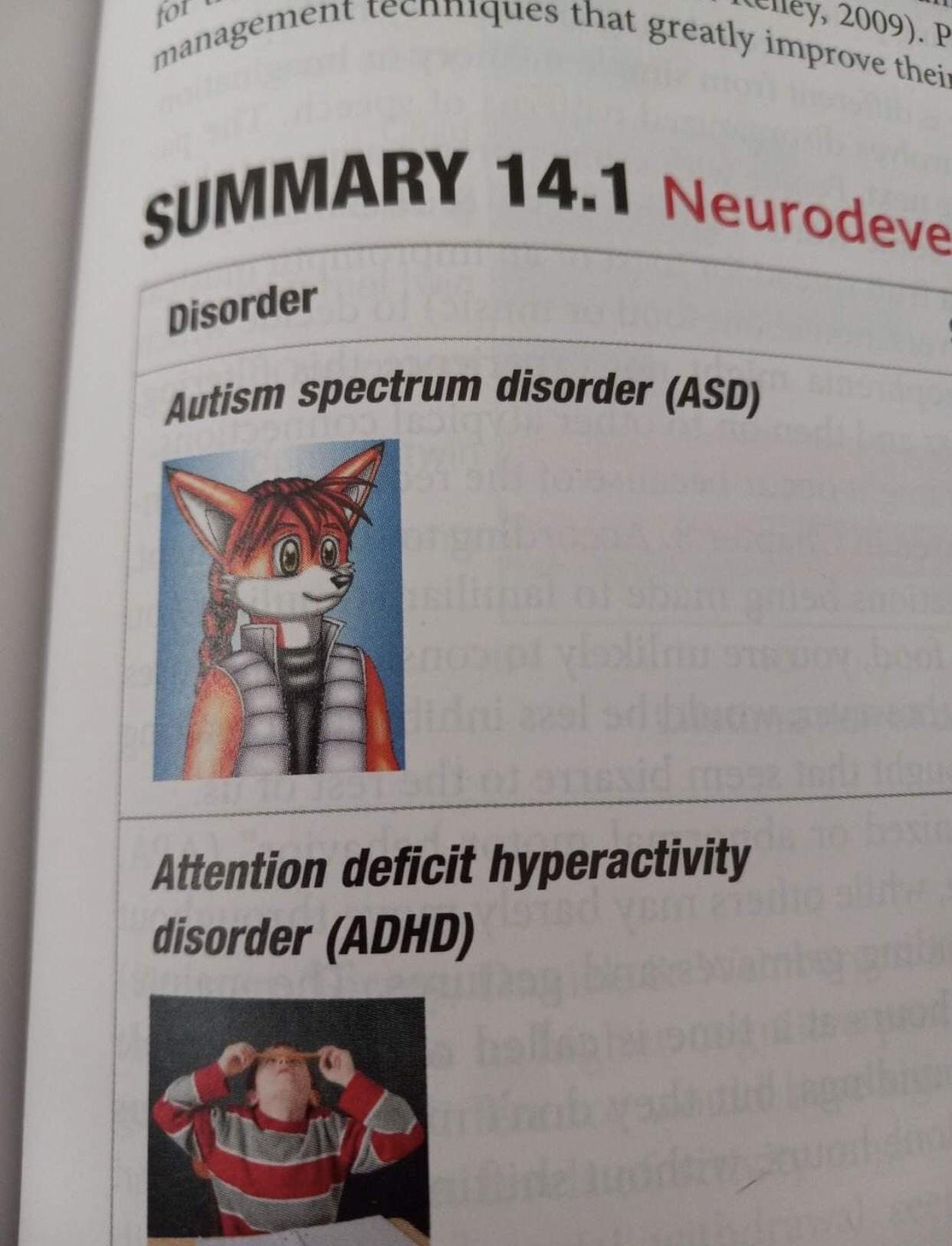
In an insightful conversation with Stefan Johansson, a leading expert at Funka, we delve into the nuances of cognitive disabilities. Cognitive disabilities can affect the processing of information in various ways – from memory recall issues to attention disorders, and even the influences of heavy medication. Diagnoses such as ADHD, dyslexia, autism spectrum disorders, and mental illnesses often come with inherent challenges in interacting with digital content.
Identifying Web Accessibility Barriers
Key web accessibility issues for those with cognitive disabilities include an overload of information, complex text structures, and inconsistent logic in user interfaces. Johansson emphasizes that the implications of these barriers can be highly individual, with the need for logical, intuitive, and simplified online environments being a common thread.
Customizing Experiences Across Different Platforms
Accessibility concerns vary across device platforms. Johansson points out the contrast between the constraints of small screens and the possibilities offered by larger displays. The focus is on prioritizing and scaling design elements to cater to diverse user needs without compromising accessibility.
Practical Steps towards Enhanced Accessibility
"Less is more," advises Johansson when it comes to web design and content authoring. A minimalist approach, utilization of multimedia, and prioritization of clear, structured text can significantly improve usability for individuals with cognitive limitations. Moreover, providing tools like text-to-speech synthesizers can democratize information access.
Advocating for Inclusive Web Standards
Although progress has been made, there's an urgent need for standards that specifically address cognitive disabilities. Johansson calls for clarity on complexity thresholds, security, and logical interaction patterns. There is also a demand to tackle 'evil design' practices that exploit or harm users.
The Universal Benefits of Cognitive Accessibility
Johansson concludes with a compelling statement: Enhancing cognitive accessibility invariably leads to improved user experiences for all. Features designed with cognitive challenges in mind tend to be intuitively user-friendly, paving the way for widespread adoption and satisfaction.
Accessibility in Travel and Hospitality

Enabling seamless travel experiences starts with accessible information. Hotels and travel platforms are recognizing the value of creating websites that are cognitively accessible. Not only does it widen their audience, but it also uplifts the entire user experience, ensuring that planning and booking travel is a stress-free process for everyone.
Belek
- Granada Luxury Belek
- Land Of Legends Turkey
- Rixos Premium Belek
- Regnum Carya
- Belek Beach Resort
- Aydinbey Queen'S Palace & Spa
- Tui Magic Life Masmavi
- Susesi Luxury Resort
- Kaya Palazzo
- Cullinan Belek
- Sherwood Dreams Resort
- Ela Excellence Resort Belek
- Calista Luxury Resort
- Sirene Belek Hotel
- Papillon Belvil
- Paloma Grida
- Innvista Hotels Belek
- Kaya Belek
- Papillon Ayscha
- Belek Turkey
- Hotel Golf Belek
Antalya
- Grand Park Lara
- Delphin Imperial
- Titanic Deluxe Lara
- Titanic Mardan Palace
- Greenwood Suites Resort
- Baia Lara Hotel
- Saturn Palace Resort
- Falcon Hotel Antalya
- Liberty Hotels Lara
- Concorde Deluxe Resort
- Wind Of Lara Hotel And Spa
- Delphin Palace Hotel
- Rixos Downtown Antalya
- Megasaray Westbeach Antalya
- Antalya Holidays
- On The Beach Antalya
- Cheap Holidays Antalya
- Turkey Antalya Resorts
- Best Family Hotel Lara Beach
- Aqua Park Hotel Antalya Turkey
- Ayt Antalya
Side
- Ramada Resort By Wyndham Side
- Side Star Resort
- Paloma Orenda
- Arcanus Hotels Sorgun
- Club Turan Prince World
- Arum Barut Collection
- Acanthus Cennet Barut Collection
- Paloma Finesse Side
- Lago Hotel Turkey
- Ali Bey Resort
- Calimera Side Resort
- Port River Hotel & Spa
- Tui Magic Life Jacaranda
- Side Holidays Turkey