Soaring Usage of Smart Devices
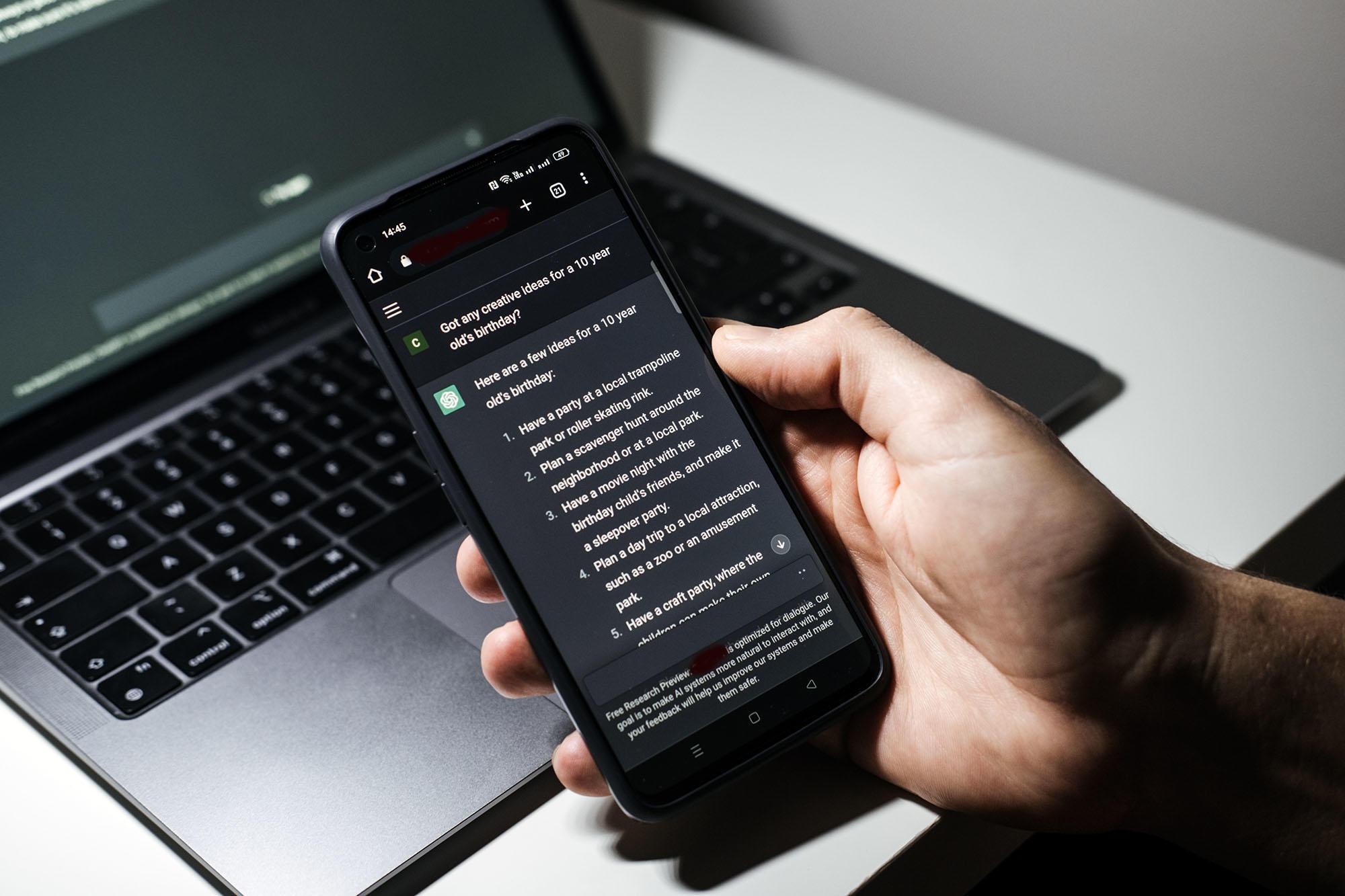
Modern society has embraced mobile devices at a remarkable pace. Statistical insights from experts like Deloitte project massive transitions to smartphone use, highlighting a crucial need for addressing accessibility on these platforms. The urgency is clear, and yet, the standards for mobile application accessibility are in catch-up mode relative to the explosive growth of device usage.
Can’t I just use WCAG 2.0?
The temptation to retrofit WCAG 2.0 to mobile apps exists, but this method falls short in practice. Although WCAG 2.0 lays a robust foundation for web accessibility, it does not seamlessly translate to the nuanced requirements of mobile applications. The incongruence between these guidelines and the needs of mobile app developers continues to pose challenges for inclusive accessibility implementation.
WCAG and Beyond

The shortcomings of WCAG 2.0 for mobile app accessibility have not gone unnoticed. Recognizing the emergence of mobile-specific demands, W3C has set forth draft guidance that reflects an amalgamation of established guidelines and evolving accessibility standards, striving toward a more adaptable approach for the current mobile landscape.
Indie UI and UAAG: Not Without Challenges
Despite bringing forth potential solutions, the combination of Indie UI and UAAG within the draft guidance is not without its flaws. These standards, while beneficial in some contexts, may not fully resonate with the practicalities of mobile app development and the intricacies of ensuring compatibility with assistive technologies.
Guidance on WCAG2ICT

Establishing a sound approach to mobile app accessibility can be initiated by delving into the WCAG2ICT guidelines. This guidance offers a targeted interpretation of WCAG 2.0, focusing on its applicability to non-web ICT, and lays the groundwork for a more directed incorporation of accessibility into mobile software.
WCAG2ICT for the win
The constraints of current web accessibility standards are recognized, and while dedicated mobile standards are in development, WCAG2ICT stands out as the interim champion. Providing clarification on WCAG's relevance to software, WCAG2ICT becomes a valuable resource for developers aiming to meet the accessibility needs of diverse user populations.
Inclusion in Travel and Hospitality
As the world becomes increasingly mobile and connected, the role of accessible apps extends into various industries including travel and hospitality. Ensuring that mobile platforms cater to all users is not only a matter of inclusion but also a strategic business move, enhancing the travel experience for everyone, from planning to checking in and exploring new destinations.
Belek
- Granada Luxury Belek
- Land Of Legends Turkey
- Rixos Premium Belek
- Regnum Carya
- Belek Beach Resort
- Aydinbey Queen'S Palace & Spa
- Tui Magic Life Masmavi
- Susesi Luxury Resort
- Kaya Palazzo
- Cullinan Belek
- Sherwood Dreams Resort
- Ela Excellence Resort Belek
- Calista Luxury Resort
- Sirene Belek Hotel
- Papillon Belvil
- Paloma Grida
- Innvista Hotels Belek
- Kaya Belek
- Papillon Ayscha
- Belek Turkey
- Golf Resort Belek
Antalya
- Grand Park Lara
- Delphin Imperial
- Titanic Deluxe Lara
- Titanic Mardan Palace
- Greenwood Suites Resort
- Baia Lara Hotel
- Saturn Palace Resort
- Liberty Lara
- Concorde Deluxe Resort
- Wind Of Lara Hotel And Spa
- Delphin Palace Hotel
- Rixos Downtown Antalya
- Megasaray Westbeach Antalya
- Antalya Holidays
- Antalya Lara Beach Hotels
- Cheap Holidays To Antalya Turkey
- Antalya Holiday Resorts
- Family Hotels In Antalya Turkey
Side
- Ramada Resort By Wyndham Side
- Side Star Resort
- Paloma Orenda
- Arcanus Hotels Sorgun
- Club Turan Prince World
- Arum Barut Collection
- Acanthus Cennet Barut Collection
- Paloma Finesse Side
- Lago Hotel Turkey
- Ali Bey Resort
- Calimera Side Resort
- Tui Magic Life Jacaranda
- Royal Alhambra Palace
- Horus Paradise Luxury Resort
- Holiday To Side Turkey