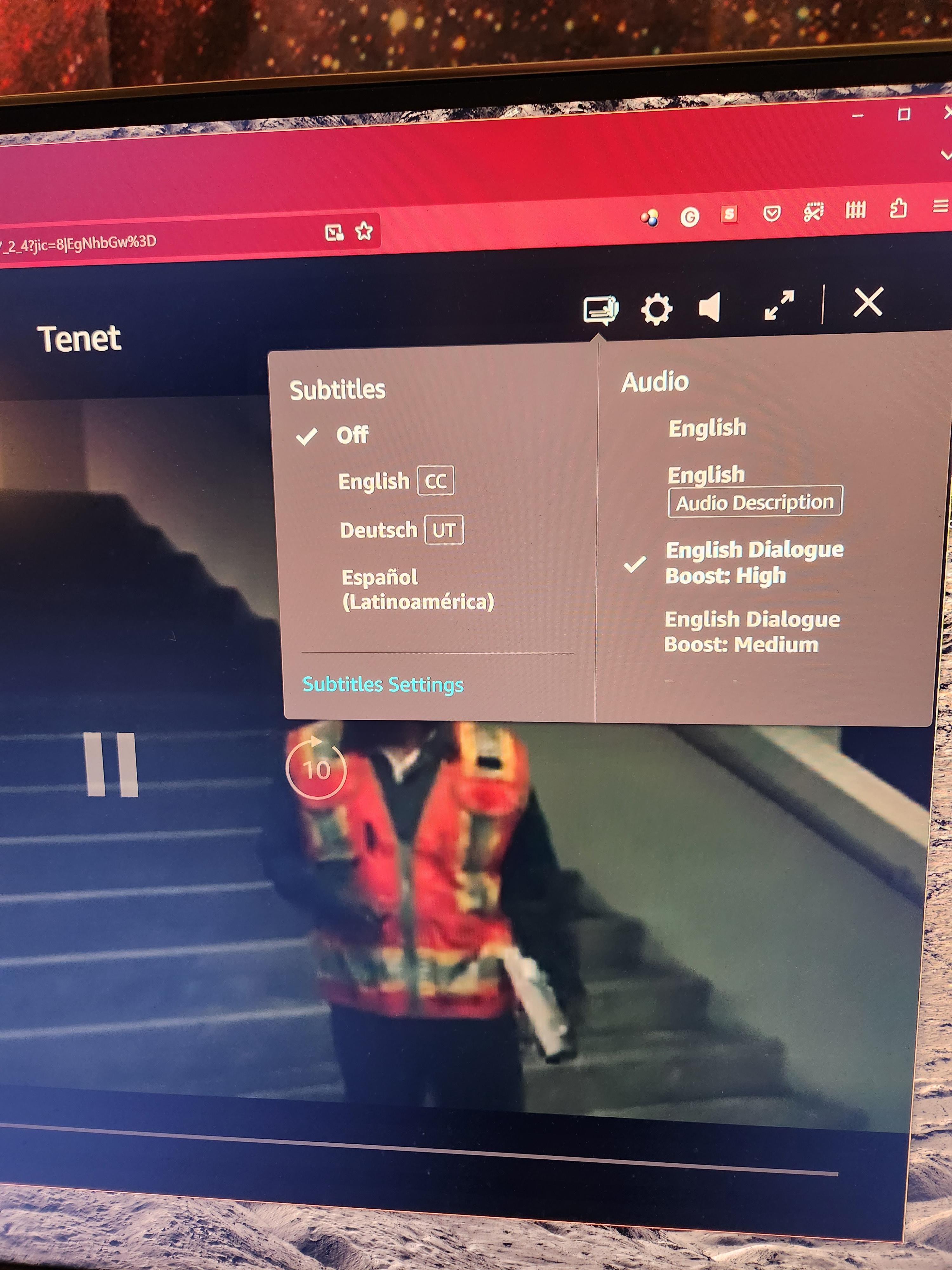
With an ever-increasing reliance on multimedia for information sharing and entertainment, ensuring video content is accessible to the broadest possible audience is not just a moral imperative but a legal one. The Web Content Accessibility Guidelines (WCAG) 2.0 provide a roadmap to accessibility, yet skepticism persists, prompting the question: should we be afraid of the requirements and costs associated with making video content WCAG-compliant?
Understanding the Scope of Accessibility
Accessibility is often misunderstood as a costly obstacle, rather than an integral component of quality web design. With approximately 20 percent of Australians experiencing some form of hearing loss, subtitles and audio descriptions are essential, not optional. The challenge, however, lies in producing these features efficiently, adhering to the WCAG 2.0 standards, without incurring prohibitive costs.
Cost-Effective Strategies for Video Captioning
There are methods to strike a balance between affordability and compliance. Here are a few prime examples:
1. Consider DIY Captioning for Short Videos

DIY captioning tools, like Amara, can save significant funds for short videos. Investing in staff training to produce high-quality captions in-house could be a worthwhile endeavor.
2. Use YouTube's Automatic Captions for Time Codes
While YouTube's automated captions may lack accuracy, they can be a good starting point for creating your own edited captions, especially since they come with pre-generated time codes.
3. Reuse Your Script to Create Captions
Scripts can double as captions. Uploading the script text to YouTube can quickly provide you with a caption file, saving both time and resources.
4. Cover as Many Visuals as You Can in the Script

Including detailed visual descriptions within the script can reduce or eliminate the need for separate audio descriptions, thereby minimizing costs.
5. Provide a Full Text Alternative for All Video Content
By merging captions and audio description scripts, a full text alternative can satisfy WCAG requirements and serve as a complementary resource for the users who might prefer it.
Implications for SEO and Content Engagement
Captions do more than accommodate accessibility; they enhance a website's SEO performance. Search engines can index caption files, thus potentially improving the video content's visibility. Accessible content, by its inclusive nature, has a wider reach, holding viewers' attention across diverse audiences.
Concluding on an Inclusive Note
In the realm of travel and hospitality, providing accessible content is paramount. A traveler researching their next trip could have their experience enriched with captioned destination videos or audio descriptions of hotel amenities. In the same way hotels strive to provide exceptional service, web content should extend its reach to include all potential guests, creating an environment that welcomes diversity in every interaction, virtual or otherwise.
Belek
- Granada Luxury Belek
- Land Of Legends Turkey
- Rixos Premium Belek
- Regnum Carya
- Belek Beach Resort
- Aydinbey Queen'S Palace & Spa
- Tui Magic Life Masmavi
- Susesi Luxury Resort
- Kaya Palazzo
- Cullinan Belek
- Sherwood Dreams Resort
- Ela Excellence Resort Belek
- Calista Luxury Resort
- Sirene Belek Hotel
- Papillon Belvil
- Paloma Grida
- Innvista Hotels Belek
- Kaya Belek
- Papillon Ayscha
- Belek Turkey
- Belek Golf And Spa Hotel Turkey
Antalya
- Grand Park Lara
- Delphin Imperial
- Titanic Deluxe Lara
- Titanic Mardan Palace
- Greenwood Suites Resort
- Baia Lara Hotel
- Saturn Palace Resort
- Liberty Lara
- Concorde Deluxe Resort
- Wind Of Lara Hotel And Spa
- Delphin Palace Hotel
- Rixos Downtown Antalya
- Megasaray Westbeach Antalya
- Antalya Holidays
- On The Beach Antalya
- Cheap Holidays Turkey Antalya All Inclusive
- Antalya Resort Holidays
- Family Friendly Hotels Antalya
Side
- Ramada Resort By Wyndham Side
- Side Star Resort
- Paloma Orenda
- Arcanus Hotels Sorgun
- Club Turan Prince World
- Arum Barut Collection
- Acanthus Cennet Barut Collection
- Paloma Finesse Side
- Lago Hotel Turkey
- Ali Bey Resort
- Calimera Side Resort
- Tui Magic Life Jacaranda
- Royal Alhambra Palace
- Horus Paradise Luxury Resort
- Holidays Side Turkey